
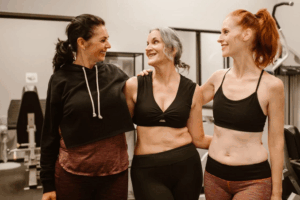
Fitness Goals for Aging Well: Building Strength, Mobility, and Balance
Aging is a natural process, but how we approach it can greatly influence our quality of life. Staying active and setting purposeful fitness goals is one of the most effective ways to maintain independence, vitality, and overall well-being. Building strength, mobility, and balance are key components of aging well. These areas not only support physical health but also improve confidence, reduce injury risk, and enhance daily functioning. In some cases, interventions like HGH may be considered to support muscle maintenance and overall vitality. Understanding how to structure fitness goals for older adults helps create routines that are both safe and effective.
Focusing More on Strength Training
Strength naturally declines with age, often leading to reduced independence. Building muscle helps maintain metabolism, supports joint health, and protects bones from osteoporosis. Strength training does not mean heavy lifting for everyone. Bodyweight exercises, resistance bands, and moderate weights can produce significant benefits. Consistent practice strengthens major muscle groups and supports everyday tasks, from carrying groceries to climbing stairs. Prioritizing strength ensures that aging bodies remain resilient and capable.
Understanding the Role of Recovery and Nutrition

Recovery is often overlooked but is critical for aging bodies. Muscles and joints need time to repair after exercise. Adequate sleep, hydration, and nutrition support recovery and overall health. Protein intake, vitamins, and minerals are essential for maintaining muscle mass and bone density. Prioritizing recovery ensures that fitness routines remain effective without overtaxing the body. Balanced nutrition and rest enhance the benefits of exercise and contribute to long-term vitality.
Enhancing Mobility for Daily Life
Mobility is the ability to move joints freely and efficiently. Loss of mobility can make daily activities difficult and increase the risk of falls. Stretching routines, yoga, and dynamic movements help maintain and improve flexibility. Enhancing mobility supports posture, reduces stiffness, and promotes a more active lifestyle. Regular practice also improves circulation and joint lubrication. By focusing on mobility, older adults can move with greater ease and comfort, preserving independence over time.
Balancing for Stability and Safety
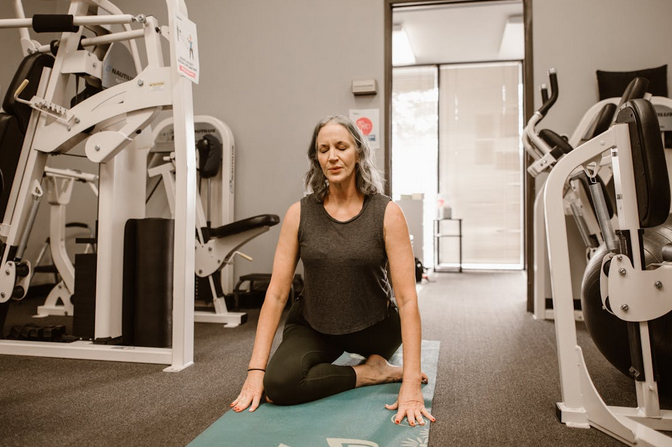
Balance declines with age, increasing the likelihood of falls and injuries. Training balance is crucial for safety and confidence. Simple exercises like standing on one leg, heel-to-toe walking, or using stability tools can help. Improving balance also strengthens the core and engages multiple muscle groups simultaneously. Over time, these exercises support coordination and body awareness. Maintaining balance allows older adults to participate in various activities safely and confidently.
Improving Cardiovascular Health and Energy
Heart health is another essential aspect of aging well. Cardiovascular exercise improves endurance, reduces the risk of chronic diseases, and supports overall energy levels. Walking, swimming, cycling, or light aerobic classes are effective ways to keep the heart strong. Incorporating cardiovascular activity into daily routines ensures consistent energy flow and contributes to overall longevity. Even moderate, regular activity produces long-term benefits that support an active lifestyle.
Considering Flexibility and Injury Prevention
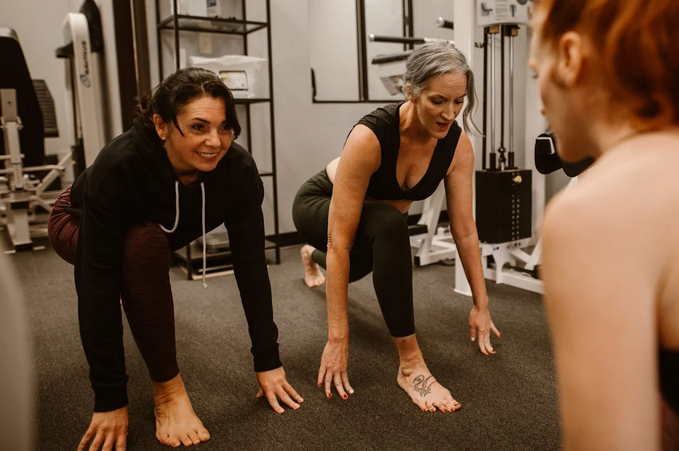
Flexibility complements strength and balance by reducing muscle tension and joint stress. Stretching before and after exercise prevents injuries and promotes recovery. Increased flexibility allows for a wider range of motion and makes everyday movements smoother. Combining flexibility exercises with strength and balance routines ensures a holistic approach to fitness. This balanced strategy helps prevent injuries and supports consistent physical activity over time.
Setting Realistic and Achievable Goals
Fitness goals should reflect individual abilities and limitations. Setting realistic targets encourages consistency and reduces the risk of frustration or injury. Goals can range from being able to walk a certain distance to improving balance for stair climbing. Tracking progress motivates continued effort and provides tangible evidence of improvement. Personalized goal-setting ensures that each person works at a pace that suits their body, creating a sustainable routine.
Consistency is key to long-term success. Developing a routine that integrates strength, mobility, and balance training helps create lasting habits. Social support, group classes, or training with a partner can enhance motivation. Celebrating small milestones and acknowledging progress keeps individuals engaged. A thoughtful approach to consistency ensures that aging adults continue to improve, feel empowered, and maintain a high quality of life over the years.