

How to Curb Cravings and Take Control of Your Appetite
Food cravings can feel like an unwelcome visitor who shows up at the worst possible times. One moment you’re perfectly content, and the next you’re standing in your kitchen at midnight, staring down a bag of chips like it holds the answers to life’s mysteries. The good news is that you don’t have to surrender to every craving that comes knocking. Understanding why these urges happen and having practical strategies ready can transform your relationship with food from chaotic to controlled. On the other hand, some people prefer taking dietary supplements like VittaBurn to help curb their cravings.
Understanding the Science Behind Your Hunger Signals
Your body operates like a sophisticated messaging system, constantly sending signals about what it needs and when. Hormones like ghrelin whisper “time to eat” while leptin shouts “You’re full, stop now!” But modern life often scrambles these natural communications. Stress hormones can hijack your appetite, making you crave comfort foods even when your body doesn’t need fuel. Sleep deprivation throws another wrench in the works, disrupting the delicate balance of hunger hormones and leaving you reaching for quick energy fixes. Blood sugar spikes and crashes create a roller coaster effect that can trigger intense cravings for sugary or starchy foods.
Smart Hydration and Timing Strategies
Water might seem like the most boring solution to food cravings, but it’s surprisingly effective at taming a demanding appetite. Your brain sometimes confuses thirst signals with hunger, leading you to eat when what you need is a tall glass of H2O. Drinking water before meals can help you feel satisfied with smaller portions while staying hydrated throughout the day preventing those false hunger alarms. Timing your meals and snacks strategically creates a rhythm that your body can anticipate and trust. Eating at consistent intervals prevents the dramatic energy dips that send you scrambling for the nearest vending machine. When you do feel a craving coming on, try the 20-minute rule: drink some water and wait, giving your brain time to reassess whether you’re truly hungry or just bored, stressed, or tired.
The Power of Protein and Fiber Combinations
Protein and fiber work together like the dynamic duo of appetite control, keeping you satisfied longer than simple carbs ever could. Protein takes more energy to digest, which means your body burns calories just by processing it, while fiber adds bulk without adding excessive calories. These nutrients slow down digestion, preventing the rapid blood sugar spikes that trigger cravings an hour later. A handful of nuts, Greek yogurt with berries, or apple slices with almond butter can stop a craving in its tracks. The key is having these power combinations readily available before hunger strikes with vengeance. Planning means you won’t find yourself defenseless against the siren call of processed snacks that promise satisfaction but deliver only temporary relief followed by another craving cycle.
Mindful Eating and Emotional Awareness
 Eating mindfully transforms meals from mindless fuel consumption into intentional nourishment experiences. Slow down, chew thoroughly, and taste your food instead of wolfing it down while scrolling through your phone. This practice helps you recognize true fullness signals before you overeat. Many cravings stem from emotions rather than physical hunger, so developing awareness of your emotional triggers can prevent unnecessary eating episodes.
Ask yourself: “Am I eating because I’m hungry, or because I’m stressed, lonely, or celebrating?” Sometimes the answer leads you to call a friend, take a walk, or practice deep breathing instead of opening the refrigerator. Taking control of your appetite isn’t about willpower or deprivation—it’s about understanding your body’s signals and responding with intention rather than impulse. By staying hydrated, eating protein and fiber combinations, and practicing mindful awareness, you can transform cravings from overwhelming urges into manageable moments. Remember that building these habits takes time, so be patient with yourself as you develop new patterns. The goal isn’t perfection but progress, creating a sustainable relationship with food that serves your health and happiness rather than controlling them.
The importance of a healthy diet
Introduction
The human body is a complicated thing, and it needs to be taken care of properly. If you fail to provide your body with the proper requirements, it will end up breaking down which is why many people fall ill. Our bodies constantly go through a lot of battering on a daily basis, and it is crucial that you give it the nutrients that it needs to stay fit and healthy. Let us look at some tips.
What a body needs
The human body needs to have a balanced diet, rest, and exercise. However, for the purpose of nutrition, you need to eat the right food. Many people today eat a lot of food that is found in fast food chains. Even though these may taste good, they are not really healthy for your body. You must always try to eat a combination of lean meats, vegetables, and fruits. Stay away from canned soda and any other carbonated drink.
Juices
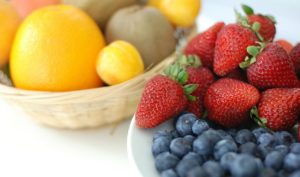
You can make some great fruit and vegetable juices if you have a quality Saftpressen. Many people do not realize that most vegetables are best eaten raw. Carrots, Beetroot are just two examples. Fruits, of course, are best fresh, and if you do not want to keep cutting and biting, you can make some delicious smoothies with them. You can get some great recipes if you do a little research online.
Meals
When you are having a main meal of the day, you must always ensure you have the following. Some fresh green leaves like spinach, vegetables, fish or lean meats and warm water. Try not to eat too many fatty foods or fried ones because most of the nutrients are taken away when any food is fried.
Water
It is crucial that your body is always hydrated. Make sure you drink at least two liters of water throughout the day and more if possible. Water helps clear your body of toxins and also helps keep you hydrated. Try not to drink too much coffee because the caffeine in coffee is not that good for the body.
Food preparation
 Food preparation
It is always best to eat food fresh where possible and for those that need to be cooked, steaming or roasting them in the oven is much better that frying the food.
Conclusion
It is important that your body gets the right nutrients and therefore, following the above tips can help you have a balanced and nutritious diet.