
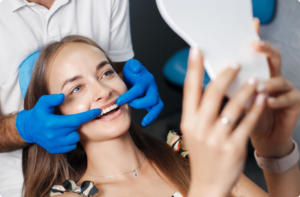
Understanding the Most Common Teeth Straightening Treatments
A confident smile often starts with proper tooth alignment, yet many people feel uncertain about the options available for correcting crooked or crowded teeth. Modern dentistry offers several effective paths, each shaped by comfort levels, lifestyle needs, and visual preferences. From discreet solutions worn during daily routines to more traditional systems that rely on visible hardware, today’s treatments cover a wide spectrum. Early in any discussion, many patients hear about Invisalign, a clear-aligner approach that has gained attention for its subtle appearance and flexible wear. Still, this is only one of several widely used methods. Understanding how these treatments function, what daily life looks like with them, and who they suit best can make the decision process far less confusing and far more empowering.
Traditional Metal Braces
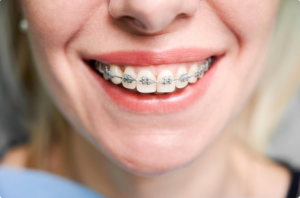 Metal braces remain one of the most recognized and frequently recommended treatments for straightening teeth. They consist of brackets bonded to each tooth and connected by an archwire that applies steady pressure. Over time, this pressure encourages teeth to shift into improved positions. Despite their visible appearance, metal braces are valued for their reliability and ability to handle a wide range of alignment concerns, including severe crowding or bite problems. Many orthodontists favor this method for younger patients, as the materials are durable and adjustments are predictable. Colorful elastic bands can also be added, which some children and teens enjoy as a form of expression. While dietary adjustments are necessary to avoid damaging the brackets, advances in orthodontic materials have made modern braces more comfortable than earlier versions.
Lingual Braces
Lingual braces operate much like traditional braces, but with one major difference: they are attached to the inner surfaces of the teeth. This placement keeps them hidden from view, making them an appealing option for those concerned about appearance. From the outside, the teeth appear free of orthodontic hardware. However, lingual braces can take time to adjust to, as they may affect speech initially and feel unfamiliar against the tongue. They also require specialized expertise to install and adjust. Despite these considerations, they offer an effective solution for patients who want fixed treatment without visible brackets.
Clear Aligners
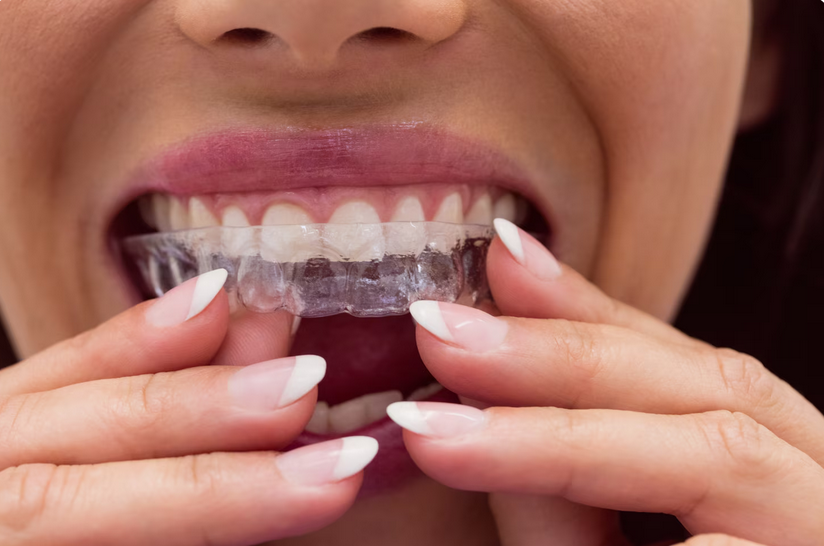
Clear aligner systems have changed how many people think about orthodontic care. These treatments use a series of removable, transparent trays that fit snugly over the teeth. Each set is worn for a specific period before moving to the next, slowly shifting teeth step by step. Because the trays can be removed, eating and cleaning feel more familiar compared to fixed appliances. This approach often appeals to adults with busy schedules or public-facing roles. The ability to remove aligners for meals or special events adds convenience, though consistent wear is necessary for progress. Mild to moderate alignment issues are commonly treated with this method, and digital planning tools help visualize expected outcomes before treatment begins.
Ceramic Braces
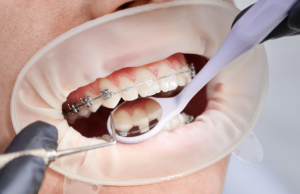 Ceramic braces work in a similar way to metal braces but use tooth-colored or clear brackets that blend more easily with natural teeth. This makes them a popular choice for teens and adults that want a less noticeable choice while still benefiting from fixed braces. The wires function the same way as those used in metal systems, gradually guiding teeth into better alignment. Although ceramic brackets are visually softer, they can be slightly more fragile and may stain if oral care habits slip. Regular cleaning and mindful food choices help maintain their appearance. For patients who prefer a balance between strength and subtlety, ceramic braces often feel like a practical middle ground.
Teeth straightening treatments have expanded far beyond a single standard approach. From metal and ceramic braces to clear aligners and lingual systems, each method offers distinct advantages for different situations. By learning how these treatments work and what daily life with them involves, patients can approach orthodontic care with greater clarity and confidence. A well-informed choice supports healthier alignment, improved oral function, and a smile that feels comfortable to share long after treatment ends.